

A truck pre-start checklist is a daily safety inspection completed by a heavy vehicle driver before operating a truck. It verifies critical systems such as brakes, tyres, lights, steering and load restraint to ensure the vehicle is safe, roadworthy and compliant.
Truck Pre-Start Checklist: 10 Essential Items You Can’t Skip
Around 18 per cent of all road crash deaths in Australia involve a heavy vehicle, even though heavy vehicles crash less often than other vehicles. Source: Australian Government heavy vehicle safety fact sheet
A daily truck pre-start checklist helps reduce this risk by catching mechanical defects before trucks leave the yard. This guide explains what a truck pre-start checklist is, the 10 essential items it should include, how to align your checks with NHVR guidance, and how to move from paper forms to a digital truck pre-start checklist app.
What Is a Truck Pre-Start Checklist?
A truck pre-start checklist is a structured list of visual and functional inspections completed by the driver before a heavy vehicle is driven on public roads. It typically covers brake performance, steering, tyres and wheels, lights and indicators, mirrors and visibility, load restraint, fluid leaks, and safety equipment.
By standardising these checks across your fleet, you ensure every driver is looking at the same critical safety items each day, and you create a consistent record of inspections that can be used to demonstrate compliance and manage defects.
Why Daily Truck Pre-Start Checks Matter
The National Heavy Vehicle Regulator (NHVR) recommends daily heavy-vehicle checks as a quick visual inspection before a truck leaves the yard, depot or rest area. The NHVR “Creating heavy vehicle daily checks” guide lists the key systems to check and emphasises that operators are responsible for keeping every vehicle roadworthy.
Daily pre-start checks help prevent breakdowns, roadside defects and serious incidents caused by issues like worn tyres, faulty lights or brake problems. They also support chain-of-responsibility obligations by showing that reasonable steps were taken to identify and rectify mechanical risks.
10 Essential Truck Pre-Start Checklist Items
While every fleet will tailor its truck pre-start checklist to suit vehicle type and operation, most daily inspections should cover at least the following 10 items.
1. Brakes and Parking Brake
Confirm service brakes operate correctly, warning lights extinguish, and the parking brake holds the vehicle securely on a gentle slope. Listen for air leaks and check air pressure where applicable.
2. Tyres, Wheels and Rims
Inspect tyre tread depth, sidewall condition, and inflation. Look for cuts, bulges, exposed cords, or mismatched tyres. Check wheel nuts and rims for cracks, missing nuts, or signs of movement.
3. Lights, Indicators and Reflectors
Test headlights, tail lights, brake lights, indicators, hazard lights, clearance lights, and number plate lights. Clean lenses and check reflectors are present and visible.
4. Steering and Suspension
Check for excessive play in the steering wheel, unusual noises when turning, and obvious damage or leaks in steering and suspension components that are visible during the walk-around.
5. Load Restraint and Body
Confirm the body, tray, tailgate, curtain, or doors are sound and secure. Inspect load restraints, gates, chains, straps, and anchor points to ensure they are in good condition and correctly positioned.
6. Windscreen, Windows and Wipers
Look for cracks or chips in the windscreen that could obscure the driver’s vision, check mirrors and glass are clean, and make sure wipers and washers operate effectively.
7. Oil, Coolant and Fluid Leaks
Check under the vehicle for fresh oil, fuel, coolant, or hydraulic leaks. Confirm fluid levels are within range and that caps and filler points are secure.
8. Safety Equipment
Verify that the fire extinguisher is charged and accessible, the first aid kit is stocked, wheel chocks and triangles are present where required, and any personal protective equipment needed for the job is available.
9. Mirrors, Cameras and Visibility Aids
Ensure mirrors are correctly adjusted and in good condition. Test reversing cameras, proximity sensors, and any other visibility aids to confirm they are operating.
10. General Cleanliness and Cabin Safety
Check that the cabin is free from loose items that could interfere with pedals or controls, that the seat and seatbelt are in good condition, and that the dashboard is clear of warning lights before departure.
Truck Pre-Start Checklist Summary
| Checklist item | What to check | Why it matters |
|---|---|---|
| Brakes & parking brake | Warning lights, air leaks, parking brake holds | Prevents brake failures and roadside defects |
| Tyres, wheels & rims | Tread depth, damage, wheel nuts, matching tyres | Reduces blowouts and wheel-off incidents |
| Lights & indicators | Headlights, brake lights, indicators, hazards, reflectors | Ensures visibility and legal compliance |
| Steering & suspension | Steering free-play, noises, visible damage or leaks | Maintains control and stable handling |
| Load restraint & body | Body integrity, doors, tailgate, gates, straps, chains | Prevents load shifts, spills and rollovers |
| Windscreen, windows & wipers | Cracks, chips, cleanliness, wiper and washer operation | Preserves driver visibility in all conditions |
| Fluids & leaks | Oil, coolant, fuel, hydraulic leaks and fluid levels | Avoids breakdowns and fire or environmental risks |
| Safety equipment | Fire extinguisher, first aid kit, triangles, PPE | Supports incident response and worker safety |
| Mirrors & visibility aids | Mirror adjustment, condition, cameras and sensors | Reduces blind-spot and reversing incidents |
| Cabin & controls | Loose items, seat and belt condition, warning lights | Ensures safe control and comfort for the driver |
Aligning Your Truck Pre-Start Checklist With NHVR
The NHVR’s “Creating heavy vehicle daily checks” fact sheet explains that operators should tailor daily checks to their fleet while covering core systems such as brakes, tyres and wheels, lights, couplings and vehicle structure.
Mapping each checklist item in your truck pre-start to an NHVR vehicle system helps demonstrate that your process addresses relevant risks. When a defect is reported, your defect-management process should show how the issue was assessed, repaired, and signed off before the vehicle returned to service.
For fleets operating across multiple states, aligning your truck pre-start checklist with NHVR guidance also simplifies training and documentation because drivers follow the same process regardless of depot.
Case Study: From Paper to Digital Truck Pre-Start Checks
A mid-sized freight operator running 40 prime movers and rigid trucks was using paper pre-start books across three depots. Drivers often forgot to hand in completed checklists, and maintenance staff had to manually sort through stacks of forms to find defects.
The business moved to a digital truck pre-start checklist app built with DIGI CLIP. Drivers now complete pre-start checks on their phones, attaching photos of defects where needed. Defect reports automatically create actions in an electronic register, and the maintenance team receives a daily summary of open issues.
Within three months, the operator reported:
- 100% of pre-start checklists submitted electronically each day
- Faster turnaround on safety-critical defects, with repairs scheduled before the next shift
- Improved audit readiness, with digital records available by vehicle, driver and date range
Standardising their truck pre-start checklist across depots and going digital reduced paperwork, helped avoid roadside defects and made it easier to demonstrate compliance during customer and regulator audits.
Digital Truck Pre-Start Checklist App
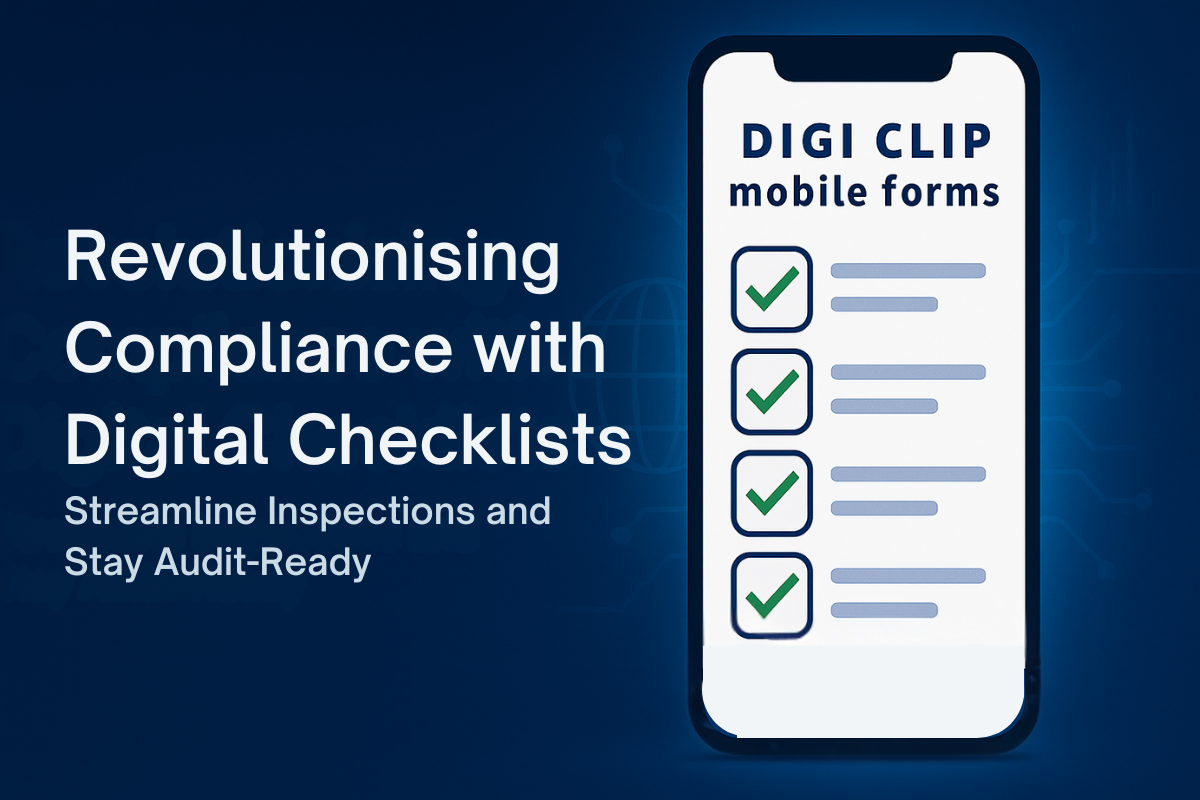
Paper forms can be lost, illegible, or slow to reach the workshop. A digital truck pre-start checklist app makes it easier for drivers to complete checks on their phone or tablet and for fleet managers to see issues in real time.
With the DIGI CLIP truck pre-start checklist app, drivers tap through each item, capture photos of defects, and submit the inspection from the yard. Defects can flow straight into an action register or maintenance workflow so nothing is missed.
If you need a ready-to-use form, you can download our free truck pre-start checklist template and adapt it for your own fleet. For broader operations, you can also use related guides such as our light vehicle pre-start checklist and mobile plant pre-start checklist so all vehicles follow a consistent inspection process.
Standardise Truck Pre-Start Checks With DIGI CLIP
DIGI CLIP helps transport and logistics operators replace paper pre-start forms with mobile checklists, automated defect reporting and real-time analytics. Standardise your truck pre-start checklist across the fleet, reduce downtime, and make compliance easier to prove.
Supported 14-day free trial. No credit card required. Set up in minutes.
Truck Pre-Start Checklist FAQs
A truck pre-start checklist is a standardised list of safety and roadworthiness checks a driver completes before operating a heavy vehicle. It usually covers brakes, tyres and wheels, lights and indicators, steering, load restraint, fluids, safety equipment, and the general condition of the truck so defects are found and fixed before the vehicle enters the road network.
Truck pre-start checks should be completed daily before the first trip of the shift and whenever a new trailer or combination is hooked up. Heavy vehicle regulators expect daily checks so that critical safety issues are identified and rectified before departure rather than at the roadside.
The driver is responsible for physically completing the pre-start checklist and confirming the truck is safe to operate. Fleet managers and operators are responsible for providing a suitable checklist, training drivers how to use it, reviewing completed checks, and arranging repairs or defect clearance when issues are reported.
If a defect is found, the driver should record it clearly on the pre-start checklist or in a digital inspection app, notify their supervisor, and follow the organisation's defect-management procedure. Safety-critical issues such as brake faults, major tyre damage, steering problems, or serious leaks usually mean the truck must not leave the depot until it is repaired and signed back into service.
Yes. Regulators allow operators to use digital pre-start checklists and electronic inspection reports as long as the records are accurate, secure, and can be produced on request. A digital truck pre-start checklist app like DIGI CLIP lets drivers complete checks on a phone or tablet, automatically log defects, attach photos, and send issues straight to maintenance or an action register for follow-up.
Record-keeping rules vary by jurisdiction, but operators typically keep truck pre-start checklists and defect records for at least three months, and often longer where company policy or chain-of-responsibility requirements apply. Keeping a searchable digital history makes it easier to demonstrate compliance, investigate incidents, and show that defects were repaired in a timely way.
If you liked this post? Why not share it!
Useful Resources
- National Heavy Vehicle Regulator – Creating Heavy Vehicle Daily Checks
- New Zealand Transport Authority – Driver Pre-Trip Walk-Around Inspection Guide
- Victorian Transport Association – Daily Commercial Vehicle Inspection Checklist
- FMCSA – Federal Motor Carriers Motor Administration
- CVSA I- All (DOT) Inspection Levels





Leave A Comment