

Why Pre-Start Checks Matter: The Key to Workplace Safety
Every shift, thousands of workers across Australia climb into trucks, forklifts, excavators, and other equipment without completing a pre-start check. To many, it feels like unnecessary paperwork — a box to tick before getting on with the real work.
But here's the reality: pre-start checks are one of the simplest and most effective ways to prevent workplace accidents, equipment failures, and compliance breaches. They take just 10–15 minutes, yet they can save lives, avoid costly downtime, and protect your business from legal liability.
This guide explains why pre-start checks are non-negotiable, what happens when they’re skipped, and how digital tools make them faster and more reliable.
Quick Facts: Why Pre-Start Checks Save Lives
- Vehicle and machinery incidents are among the leading causes of workplace fatalities in Australia.
- Most equipment failures are preventable with regular daily pre-start checks.
- A documented pre-start inspection is your primary evidence of due diligence under WHS laws.
- Digital pre-start apps reduce inspection time by up to 40% compared to paper.
What is a Pre-Start Check?
A pre-start check (also called a pre-operational inspection or daily safety inspection) is a routine inspection that operators must complete before using equipment or vehicles. It covers critical safety components like brakes, tyres, lights, fluid levels, and safety gear.
The goal is simple: pre-start checks identify defects before they cause an accident or breakdown.
Common Equipment That Requires Pre-Start Checks:
- Heavy vehicles (trucks, semi-trailers, delivery vans)
- Forklifts and pallet jacks
- Excavators, loaders, and earthmoving equipment
- Cranes and lifting equipment
- Agricultural machinery (tractors, harvesters)
- Site vehicles (utes, service trucks)
To see how digital checklists transform everyday inspections, check out our guide on Industry-Specific Digital Checklists.
Why Pre-Start Checks Are Critical for Workplace Safety
Pre-start checks aren't just "best practice" — they’re a legal requirement under Work Health and Safety (WHS) laws in Australia. But beyond compliance, they deliver three critical benefits:
1. Preventing Accidents and Injuries
Equipment failures cause serious injuries every year. Brake malfunctions, tyre blowouts, and steering failures don't just damage property — they kill people. A simple daily pre-start check catches these issues before they become catastrophic.
A SafeWork SA investigation found there were no pre-start inspection procedures documented for the forklift involved in a workplace incident, and the employer was fined $180,000. Regular pre-start checks that include basic operational safety verifications (such as checking hydraulic systems, brakes, and controls) are designed to catch hazards before use — and their absence was a factor in the regulatory action.
2. Ensuring Legal Compliance
Under WHS legislation, employers must take "all reasonably practicable steps" to ensure equipment is safe. A documented pre-start check proves you did your part. Without it, you have no defense if an incident occurs.
Inspectors, insurers, and courts all look for one thing: evidence.
Read more on Safe Work Australia's guidance on plant and equipment safety.
3. Reducing Downtime and Repair Costs
Catching a minor oil leak during a pre-start check costs $50 and 20 minutes. Ignoring it until the engine seizes costs $15,000 and three days of lost productivity. Preventative maintenance always wins.
Digital pre-start apps like DIGI CLIP make this even easier by instantly alerting your maintenance team when a defect is logged, so repairs happen immediately — not after the equipment has already failed.
What Happens When Pre-Starts Are Skipped?
- Increased accident risk: Operators unknowingly use faulty equipment.
- Compliance failures: You can’t prove maintenance was done properly.
- Higher insurance premiums: Claims trigger deeper inspections.
- Reputational damage: Faulty equipment incidents make headlines.
- Criminal liability: Managers can face personal prosecution under WHS laws.
The cost of not doing a pre-start check far outweighs the 15 minutes it takes to complete one.
For more on why organisations are ditching paper checklists entirely, see our article on the Top 10 Pain Points Driving SMBs From Paper to Digital Safety Checklists.
The Problem With Paper Pre-Start Checklists
- "Phantom" inspections: Workers fill out whole weeks in advance.
- Illegible notes: Rushed handwriting that means nothing to maintenance.
- Delayed reporting: Defects sit for days before anyone sees them.
- No accountability: Paper can be lost, back-dated, or thrown out.
- No photos: Insurance claims lack evidence without visual records.
Apps like DIGI CLIP eliminate these issues with GPS tags, photo capture, and instant alerts. If a worker marks "brakes failed," the app requires a photo and notifies supervisors immediately.
How to Implement Pre-Start Checks Properly
A good pre-start system isn't just about having a form — it requires training, accountability, and follow-through.
Step 1: Create Equipment-Specific Checklists
A forklift check is different from a truck checklist. Tailor your pre-start checklists to the equipment type. Need templates? Download our free truck pre-start template or customise your own in DIGI CLIP.
Step 2: Train Workers on What to Look For
Ticking “brakes OK” is pointless if the operator doesn’t know how to test them. Provide clear training on inspection techniques (e.g., tread depth, listening for air leaks, spotting fluid leaks).
Step 3: Make Reporting Easy
If reporting a defect creates extra paperwork, workers won’t do it. A mobile app makes it instant — snap a photo, pick a defect category, hit submit. Done.
Step 4: Close the Loop on Defects
Every defect must be logged, assigned, fixed, and verified. Use tools like DIGI CLIP’s Action Register to track defects from discovery to resolution.
Make Pre-Start Checks Faster and Foolproof
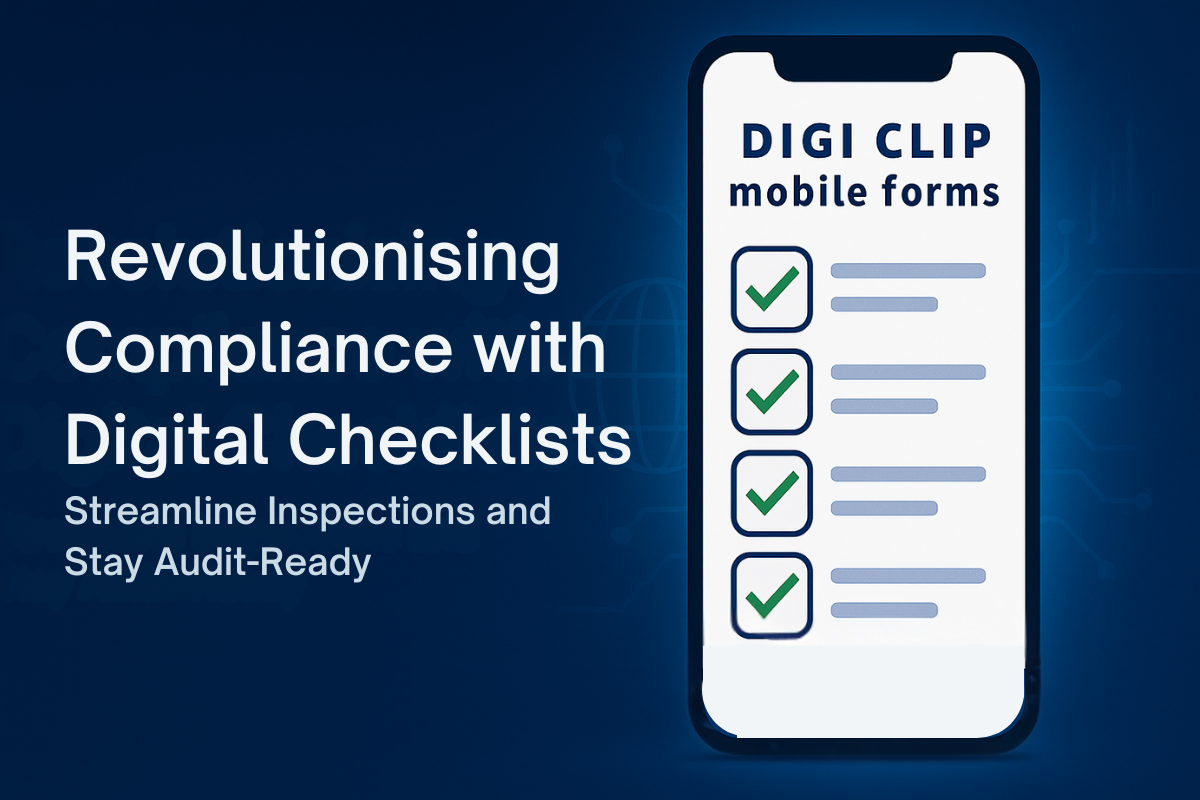
Switch from paper to digital pre-start inspections with DIGI CLIP — the app built for real-world safety compliance. Capture photos, timestamp inspections, and alert your team in real time.
Cancel anytime. Unlimited users.
Frequently Asked Questions
Are pre-start checks legally required in Australia?
Yes. Under Work Health and Safety (WHS) laws, employers must ensure plant and equipment are safe before use. Pre-start inspections are a key part of meeting this duty.
How long should a pre-start check take?
Most pre-start inspections take 10–15 minutes. Using a digital app like DIGI CLIP can cut that time by providing a guided, step-by-step checklist with photo prompts.
What should I do if I find a defect during a pre-start check?
Do not use the equipment. Tag it out of service, log the defect with photos, and notify maintenance immediately. The equipment shouldn’t be used until repaired and verified safe.
Can I use a phone app instead of paper forms for pre-start checks?
Yes. Digital checklists are legally acceptable and often preferred because they provide better evidence (timestamps, GPS data, photos) than paper records. DIGI CLIP is designed specifically for this purpose.
Who is responsible for conducting pre-start checks?
The operator using the equipment is typically responsible for conducting the checks. Employers must provide training, checklists, and systems to ensure checks are done properly.
Conclusion: Pre-Start Checks Protect Your Workforce
Pre-start checks are not optional extras — they are a fundamental safety practice that every workplace should enforce. Whether you're running a transport fleet, a construction site, or a manufacturing facility, taking 10–15 minutes each day to verify equipment is roadworthy can mean the difference between a safe shift and a catastrophe.
The investment in digital pre-start systems pays for itself through reduced accidents, lower maintenance costs, and stronger legal protection. Start today with DIGI CLIP and make pre-start checks fast, foolproof, and fully compliant.



Leave A Comment