
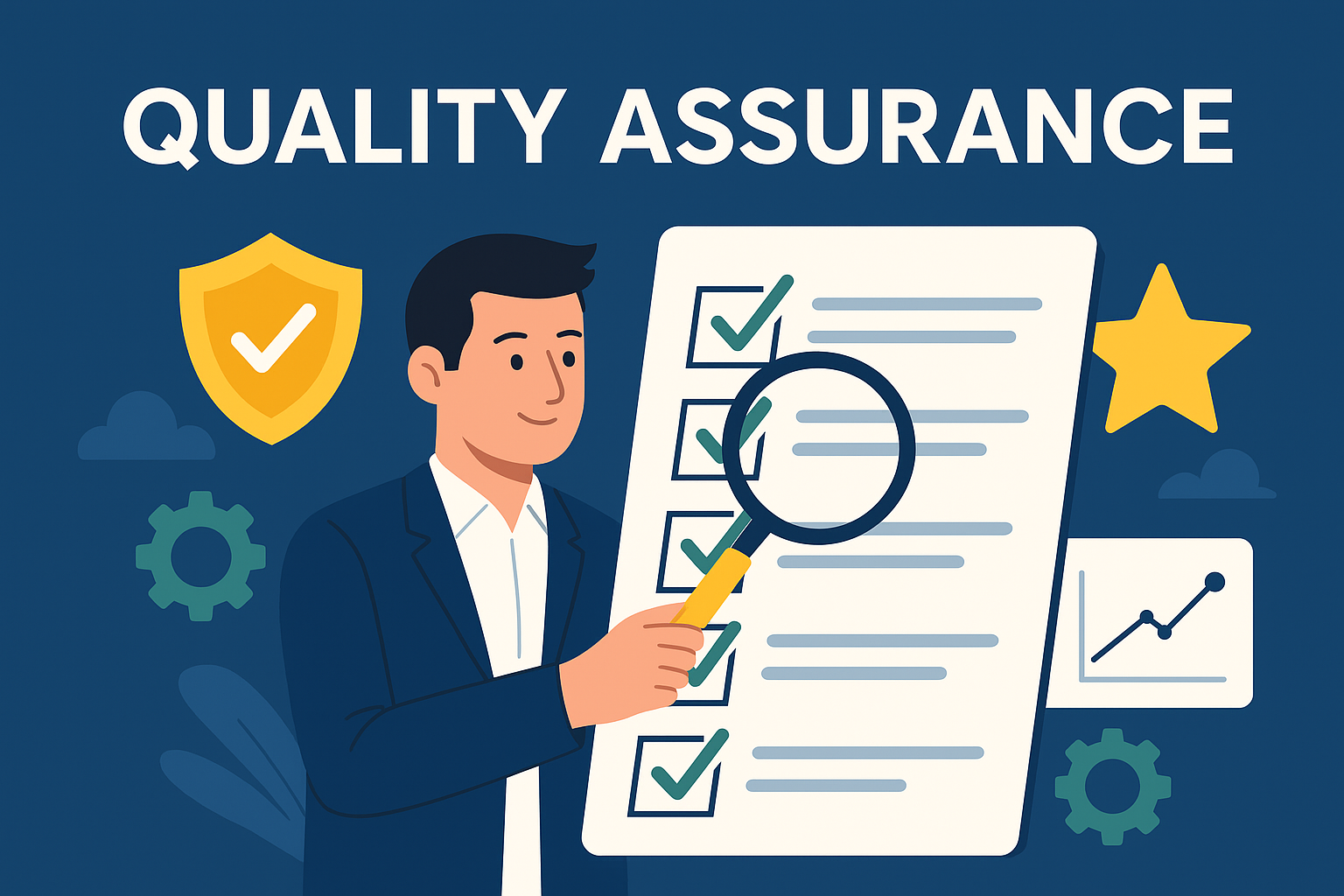
Quality Assurance: The Ultimate Guide to Improving Products and Services
Quality assurance (QA) is more than a checkbox—it is the foundation of trust, consistency, and operational excellence. Whether an organisation manufactures products, delivers services, or manages safety-critical operations, quality assurance provides the structure that ensures work is performed correctly, risks are controlled, and outcomes meet established standards every time.
In this comprehensive guide, you'll learn what quality assurance truly means, why it matters, how to implement it, and how organisations across industries are modernising QA with digital tools such as DIGI CLIP mobile forms and automated workflows.
- What Is Quality Assurance?
- Why Quality Assurance Matters
- Quality Assurance vs Quality Control
- Core Elements of an Effective Quality Assurance System
- How to Implement a Quality Assurance Program
- Key Benefits of Quality Assurance
- Quality Assurance Across Different Industries
- Digital Tools Transforming Quality Assurance
- How-To: Build a QA Checklist Using Digital Tools
- About DIGI CLIP Mobile Forms
- Quality Assurance FAQs
- Conclusion
- Quality assurance ensures processes produce consistent, reliable outcomes.
- QA reduces errors, defects, safety risks, and operational inefficiencies.
- Modern QA uses digital tools for real-time visibility and audit-ready evidence.
- Industries from manufacturing to logistics depend on QA for compliance and performance.
- DIGI CLIP mobile forms streamline QA with digital checklists, photos, automation, and reporting.
What Is Quality Assurance?
Quality assurance is a systematic approach to ensuring that products and services meet defined standards of quality. QA focuses on the processes used to create outputs, rather than the outputs themselves. It aims to prevent errors, ensure consistency, and establish confidence in the organisation’s ability to deliver what it promises.
At its core, QA answers the question: “Do our processes consistently produce the outcome we expect?”
Why Quality Assurance Matters
Strong QA practices are essential for:
- Maintaining customer trust and satisfaction
- Reducing rework, waste, and operational inefficiencies
- Improving safety, compliance, and risk management
- Supporting continuous improvement initiatives
- Building a performance-driven culture
In industries such as manufacturing, logistics, facility management, healthcare, and food production, poor quality assurance can lead to safety incidents, customer complaints, regulatory violations, or costly recalls. This is why QA is not optional—it's a business imperative.
Quality Assurance vs Quality Control: What’s the Difference?
The terms “quality assurance” and “quality control” are often used interchangeably—but they are not the same.
| Quality Assurance (QA) | Quality Control (QC) |
| Process-focused | Output-focused |
| Prevents defects by improving processes | Detects defects after they occur |
| Proactive | Reactive |
| Implemented across workflows and systems | Performed on finished products/results |
Core Elements of an Effective Quality Assurance System
Quality assurance relies on seven foundational components:
1. Standardised Processes
- Documented procedures for consistent execution
- Clear expectations for staff
- Defined quality criteria for each step
2. Training and Competency
- Staff understand the processes they perform
- Competency assessments validate skills
- Ongoing training supports continual improvement
3. Inspections and Audits
- Scheduled checks to verify compliance
- Internal audits to test QA effectiveness
- External audits for certifications and compliance
4. Data Collection and Evidence
- Records of completed checks
- Photos documenting issues or corrective actions
- Digital timestamps, signatures, and geolocation data for audit trails
5. Corrective and Preventive Actions (CAPA)
- Actions to eliminate root causes of non-conformances
- Tracking through systems like DIGI CLIP’s Action Register
6. Continuous Improvement
- Reviewing data to identify trends
- Reducing defects, waste, or delays
- Embedding a culture of ongoing optimisation
7. Management Commitment
- Leadership sets expectations
- Resources are allocated to QA and training
- KPIs and dashboards measure performance
How to Implement a Quality Assurance Program
Implementing quality assurance requires structured steps and clear communication across teams. Here’s the process many high-performing organisations follow:
- Define quality standards and establish what “good” looks like.
- Map the process and identify critical control points.
- Develop checklists, forms, and SOPs to standardise practices.
- Train your team so expectations are clear and measurable.
- Collect data through inspections, checklists, and audits.
- Analyse results to identify trends or recurring issues.
- Implement improvements—adjust processes and retrain as needed.
- Monitor continuously with digital tools, dashboards, or analytics.
Manual, paper-based approaches make this much harder. That’s where digital QA systems come into play.
Key Benefits of Quality Assurance
Organisations that invest in quality assurance experience measurable improvements in performance, compliance, and output reliability:
- Reduced errors and defects
- Higher customer satisfaction
- Lower operational costs
- Improved compliance with industry standards
- Greater team accountability
- Better traceability for audits and investigations
- Faster detection of issues
- Stronger culture of improvement
Quality Assurance Across Different Industries
Every industry relies on quality assurance, but its application varies. Here are examples of how QA supports operations in different sectors:
Manufacturing
- Production line inspections
- Work-in-progress checks
- Batch traceability
- Corrective action tracking
Logistics & Transport
- Vehicle pre-starts and maintenance checks
- Load restraint inspections
- Chain of Responsibility (CoR) compliance
- Equipment safety inspections
Food Service & Cold Storage
- Daily hygiene checks
- Temperature monitoring
- Food safety and contamination controls
- Cleaning and sanitisation logs
Warehousing & Facilities
- Racking inspections
- Walk-through audits
- Forklift pre-starts
- Hazard reporting
Construction
- Site safety inspections
- Plant and equipment checks
- Environmental compliance audits
- Contractor competency verification
Digital Tools Transforming Quality Assurance
Digital transformation is accelerating the evolution of quality assurance. Research from RMIT (source) and EU-OSHA (source) demonstrates how smart systems dramatically improve safety, compliance, and data accuracy.
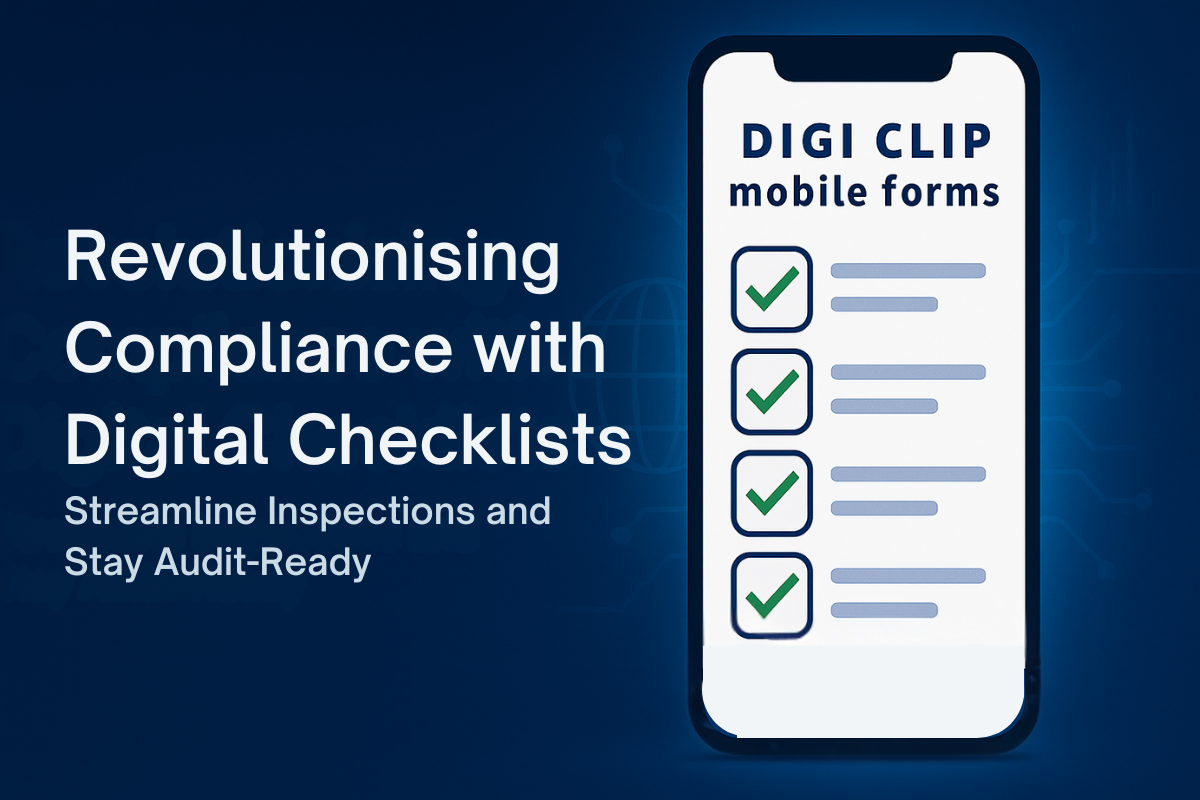
Modern organisations are replacing paper forms and spreadsheets with mobile checklists, automated workflows, and integrated reporting tools. DIGI CLIP is one of the solutions helping teams transition into more efficient, real-time quality systems.
Digital QA Features That Improve Performance
- Real-time data capture via mobile devices
- Photo evidence at critical control points
- Automated alerts and corrective action assignment
- Geo-time stamping for verification
- Instant export of reports for audits
- Centralised Action Register for close-out tracking
Digital tools improve visibility and reduce the administrative friction that slows down traditional quality assurance.
How-To: Build a Quality Assurance Checklist with Digital Tools
This high-value “How-To” section is included to boost AI search performance and provide practical guidance.
- Define your objective Determine the purpose of the checklist—e.g., equipment inspection, production QA, hygiene audit.
- Identify critical control points List the steps where errors or failures most commonly occur.
- Convert SOPs into checklist items Break processes into clear, actionable tasks.
- Add evidence fields Photos, signatures, timestamps, location data—critical for defensible QA.
- Assign responsibilities Define who completes the checklist and who reviews or escalates issues.
- Implement corrective action workflows Ensure any “No” response triggers follow-up through an Action Register.
- Review checklist performance Analyse data trends to update processes and improve outcomes.
Digital checklists make this process easier, faster, and more accurate—especially when staff operate across multiple sites or locations.
About DIGI CLIP Mobile Forms
DIGI CLIP is a mobile checklist and inspection app that simplifies safety, compliance, and operational reporting. Designed for industries like transport, warehousing, agriculture, construction, and manufacturing, DIGI CLIP replaces paper forms with real-time digital checklists.
The platform includes photo capture, automated alerts, geo-time stamping, and a central Action Register to ensure nothing gets missed. Teams can complete inspections anywhere, streamline workflows, and generate audit-ready reports instantly.
Quality Assurance FAQs
What is the main purpose of quality assurance?
The primary purpose of quality assurance is to ensure that processes reliably produce consistent, safe, and compliant outcomes. QA aims to prevent defects rather than detect them.
What industries benefit from quality assurance?
Every industry benefits from QA, including manufacturing, logistics, warehousing, food service, healthcare, construction, and mining. QA ensures consistency, safety, and regulatory compliance.
How does quality assurance differ from quality control?
Quality assurance focuses on improving processes to prevent defects. Quality control examines finished products or outputs to detect defects.
Why are digital tools important for quality assurance?
Digital tools provide real-time data, prevent skipped checks, enable photo evidence, and streamline corrective action workflows. They also offer audit-ready documentation.
How can I improve my organisation’s QA program?
Implement standardised processes, train staff, collect digital data, automate corrective actions, and continuously review performance. Digital checklists help maintain consistency across teams.
Conclusion
Quality assurance is essential for organisations wanting to deliver consistent, safe, and compliant products and services. By implementing structured processes, training teams effectively, and adopting digital tools that improve visibility and accountability, QA becomes not only more reliable but far more efficient.
Whether you're aiming to reduce errors, improve operational performance, or strengthen audit-readiness, modern QA systems provide the foundation. DIGI CLIP helps organisations elevate their quality assurance with digital checklists, real-time reporting, and automated corrective actions.
If you liked this post? Why not share it!




Leave A Comment