
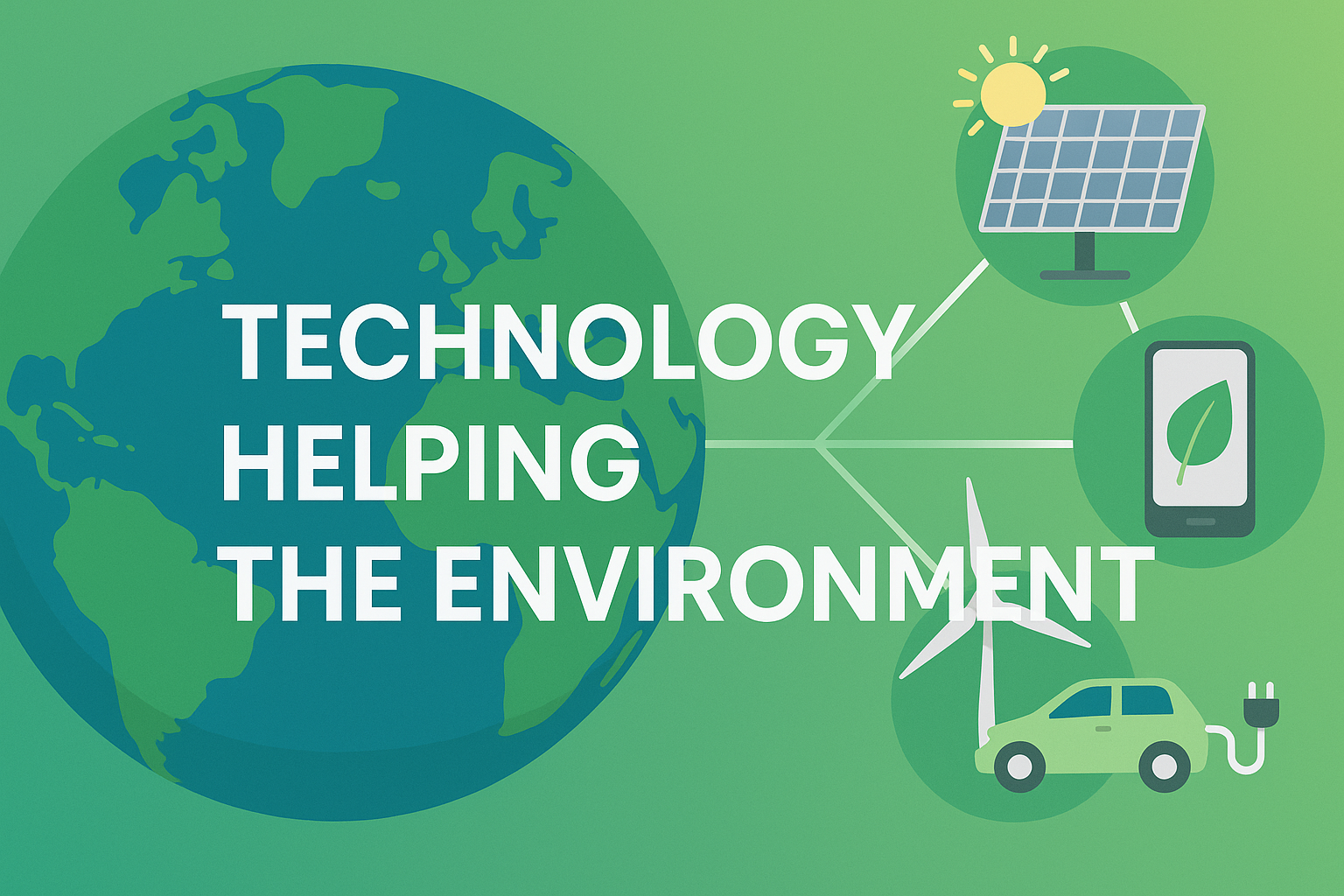
Technology Helping the Environment: Practical Ways Businesses Cut Waste & Carbon
From paperless workflows to data‑driven route planning and preventative maintenance, technology helping the environment isn’t theory—it’s everyday practice. In this guide, we show simple, proven tactics any organisation can adopt to reduce paper use, lower fuel and energy consumption, and tighten compliance. We’ll also show how DIGI CLIP’s digital checklists make environmental gains measurable and audit‑ready.
- Go paperless to eliminate printing waste and storage costs.
- Capture geo‑time‑stamped evidence for ESG and compliance reporting.
- Optimise routes and reduce idle time with digital scheduling.
- Prevent breakdowns and leaks with digital maintenance checks.
- Automate action close‑outs to stop small issues becoming big incidents.
Why Paperless = Practical Sustainability
Going paperless is the fastest, least‑disruptive way to start reducing your environmental footprint. Digital checklists replace clipboards and filing cabinets with a secure, searchable audit trail—no printing, no scanning, no physical storage. Teams record inspections, incidents and maintenance with photos, signatures and geo‑time stamps, while managers review close‑outs online instead of shuffling paper.
Independent research highlights the role of digital tools in sharing safety knowledge at scale and improving worker protection—both central to sustainable operations (RMIT research; EU‑OSHA report).
7 Ways Technology Helping the Environment Shows Up in Daily Operations
1) Technology helping the environment through paperless inspections
- Replace carbon copy books with digital forms; eliminate printing, scanning and storage.
- Attach photos and notes so issues are clear on first review—no rework.
2) Technology helping the environment with smarter maintenance
- Pre‑start and service checks catch leaks, tyre issues and worn parts before they waste fuel or cause spills.
- Action tracking ensures corrective work is completed and verified—preventing repeat waste.
3) Technology helping the environment via route and task optimisation
- Schedule inspections by location and priority to minimise travel and idle time.
- Consolidate site visits and remove duplicate trips with shared, real‑time data.
4) Real‑time evidence for ESG & compliance
- Geo‑time‑stamped checklists, signatures and photos provide verifiable proof of safe, compliant operations.
- Audit‑ready registers reduce costly repeat audits and site revisits.
5) Safer chemicals & waste handling
- Digital SOPs and checklists reduce mis‑handling and spills.
- Incident workflows trigger close‑outs and prevent recurrence.
6) Better asset utilisation
- Track equipment condition to avoid premature replacement and landfill.
- Share utilisation insights to right‑size fleets and power assets.
7) Culture, training and continuous improvement
- Mobile prompts and in‑form guidance help teams do the right thing, first time.
- Close‑out analytics show what’s improving—and where waste still hides.
Paper vs Digital: Sustainability Impact
| Area | Paper Processes | Digital with DIGI CLIP |
|---|---|---|
| Materials | Paper, ink/toner, binders, storage boxes | No printing; secure cloud storage; instant sharing |
| Transport | Couriering documents; extra site revisits for signatures | In‑app signatures, photos and geo‑time stamps; fewer trips |
| Rework | Illegible handwriting; missing pages; re‑inspections | Mandatory fields; image capture; automated action tracking |
| Audit | Manual collation; filing; physical storage | Searchable registers; export to PDF/CSV; audit‑ready in minutes |
| Compliance & ESG | Hard to prove; scattered evidence | Verifiable digital trail for policies, checks and close‑outs |
Case Study: Cutting Waste with Digital Checklists
Context: A mixed fleet operator replaced paper pre‑starts and maintenance logs with DIGI CLIP across vehicles, equipment and facilities.
- 90% reduction in printed forms within 60 days.
- Faster close‑outs: average time from issue to verified fix cut from days to hours.
- Fewer revisits: photo evidence and geo‑time stamps reduced duplicate site trips.
“We use DIGI CLIP daily in our business. It’s such a great and easy‑to‑navigate system for keeping our paperwork fully digital!” — Mellisa Gallop, GTS Trawlers
How to Go Paperless with DIGI CLIP (5 Steps)
- Pick a high‑impact form (e.g., vehicle pre‑start or site inspection) and map mandatory evidence (photos, signature).
- Digitise the form in DIGI CLIP with smart fields, required questions and action triggers.
- Pilot with one crew for 1–2 weeks; collect feedback; fine‑tune fields and alerts.
- Roll out gradually by location or team; use cloud dashboards for coaching and compliance.
- Report & improve using audit‑ready exports and the Action Register to prove close‑outs.
Further Reading & Resources
- Digital Checklists for Workplace Safety
- Top Benefits of Digital Inspection Apps for Compliance
- From Paper to Digital: Compliance Tools for SMBs
- Industry‑Specific Digital Checklists
- RMIT: Using digital tech to share WHS knowledge
- EU‑OSHA: Smart digital systems for OSH
About DIGI CLIP Mobile Forms
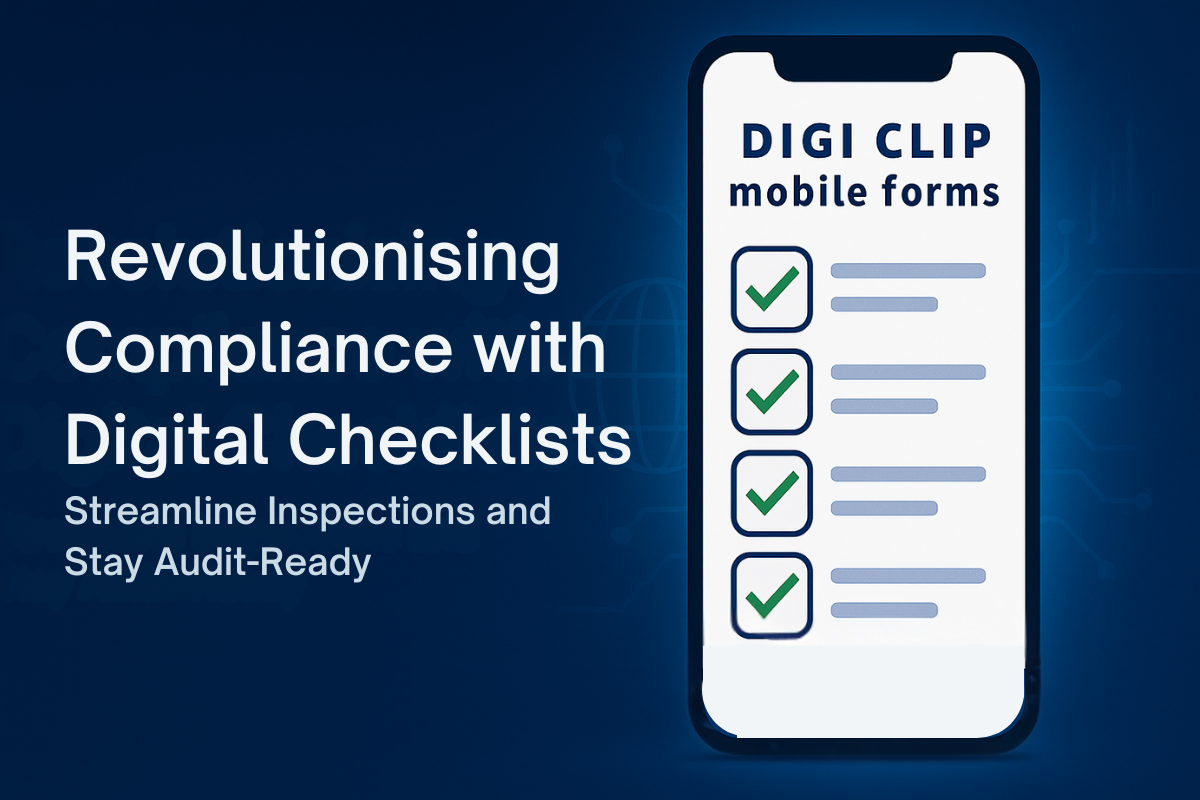
DIGI CLIP is a mobile checklist and inspection app that simplifies safety, compliance, and operational reporting. Designed for industries like transport, warehousing, agriculture, and construction, DIGI CLIP replaces paper forms with real‑time digital checklists. Built‑in photo capture, automated alerts, geo‑time stamping, and an Action Register ensure nothing gets missed.
Why Try DIGI CLIP? Because safety actions don’t count if you can’t prove them. Start your free trial—no credit card needed—and see how simple compliance can be.
Frequently Asked Questions
How is technology helping the environment in logistics and field operations?
Digital checklists cut printing, couriers and storage; geo‑time‑stamped evidence reduces repeat site visits; and action tracking prevents small leaks and defects becoming environmental incidents.
Can DIGI CLIP help with ESG and audit reporting?
Yes. Evidence (photos, signatures, geo‑time stamps) is centralised and exportable to PDF/CSV, making ESG and compliance reporting verifiable and audit‑ready.
Which forms should we digitise first?
Start with high‑volume, high‑impact forms: vehicle/equipment pre‑starts, site inspections, maintenance checks and incident reports. These deliver quick sustainability wins and strong ROI.
Will we need to re‑train our team?
Most teams adopt quickly: clear prompts, required fields and mobile photo capture reduce errors and rework. A short pilot lets you fine‑tune and build champions.
Is DIGI CLIP compatible with ISO 45001 / ISO 14001 frameworks?
Yes. DIGI CLIP supports risk‑based thinking, operational control, evidence capture and continuous improvement—core principles in ISO 45001 (safety) and ISO 14001 (environment).
Where can I read more about digital tech and safer, sustainable work?
See RMIT research and the EU‑OSHA comparative report.
Conclusion: Put Technology Helping the Environment to Work—Today
Small changes compound. By replacing paper with digital, scheduling smarter trips, and closing out issues faster, you’ll reduce waste, lower emissions and strengthen compliance. DIGI CLIP turns sustainability into daily practice with verifiable evidence and audit‑ready reporting.
If you liked this post? Why not share it!





Leave A Comment